Lifesparking Air Layering Plant Propagator Pod
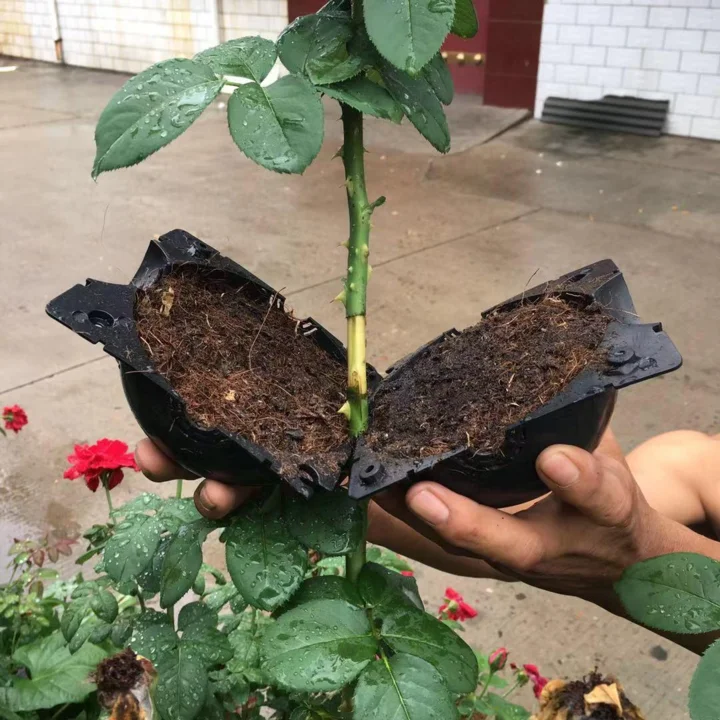
Clamp this little plastic ball around a scratched branch, fill it with soil, and the branch grows its own roots while still attached to the plant. Then you snip off a brand-new plant.

By Maya Okafor
· 5 min read
If you buy through our links, we may earn a small commission. It doesn't change our verdict. How affiliate links work
Expert review
“Plant Cloning, but Make It Tiny: The Air-Layering Pod That Grows Roots on a Branch”
So… what is this thing?
It's a small plastic ball that clamps around a branch. Inside, the branch grows roots. Then you cut it off and you have a new plant. It's basically plant cloning, done in the garden.
The Lifesparking Air Layering Plant Propagator Pod is a clamshell pod that snaps closed around a stem. You fill it with soil or growing medium and leave it on the plant. The technique it uses is called air layering, an old gardening method for growing a new plant from a branch without cutting it off first.
It comes in three sizes, S (5 cm), M (8 cm) and L (12 cm), in black or white, and sells from about $12.99 for a single medium pod. Multi-packs cost more, and some sizes sell out.
How does it actually work?
Lifesparking's instructions are just two steps, but there's some neat biology behind them:
- Choose a branch. The brand recommends a one- to two-year-old stem that's straight, healthy and vigorous.
- Make a small cut in the bark. This "wound" interrupts the flow of sugars down the stem, and the plant responds by trying to grow roots at that spot.
- Fill the pod with soil and clamp it around the cut. The pod holds damp growing medium against the wound, so the new roots have somewhere moist to grow into.
- Wait. Roots slowly fill the pod while the branch keeps getting water and nutrients from the parent plant. (You can usually see them through or around the pod.)
- Snip and plant. Once there's a good ball of roots, cut the branch below the pod, open it, and plant your new, already-rooted plant.
The big advantage over taking a cutting is that the branch never has to survive on its own while it's growing roots. It stays connected to the mother plant the whole time, which is why air layering works well for woody plants that are hard to root from cuttings.
Why does this exist?
Air layering traditionally means wrapping a wounded branch in damp moss, then plastic, then tying it all up with string, which is fiddly, messy and easy to get wrong. The pod replaces all of that with a reusable clamshell that snaps shut.
Lifesparking says it's easy enough for beginners, adjusts to different stem sizes and works for shrubs, fruit trees, climbers and more, and that air layering is best done in autumn or spring. The brand also claims it encourages faster rooting and can produce an offshoot that "blooms 2 times faster". That's a seller claim, and results will vary a lot by plant.

Who on earth needs this?
Good fit:
- Gardeners who want more of a plant they love, like a favourite rose, fig, citrus or houseplant.
- Fruit tree growers, since air layering is a classic way to propagate many fruit trees.
- Houseplant collectors with big plants like rubber plants or monsteras that have long stems.
- Patient beginners who want to try propagation without learning to wrap moss.
Skip it if you want instant results (rooting takes weeks or months), your plants grow easily from simple cuttings in water anyway, or you don't want to cut into a plant you love.
The catch
- It takes time. How long depends on the plant and season. Some root in weeks, others take months.
- Not every plant cooperates. Air layering works best on woody stems; soft, sappy plants may not take.
- You have to wound the plant. A small cut in the bark is part of the process, so start with a healthy plant.
- Keep it moist. If the soil in the pod dries out, the roots won't grow. Check it regularly, especially in summer.
- Material confusion. The listing says PP plastic in the specs and PET in another section, but either way it's a reusable plastic pod.
- Speed claims. "Blooms 2 times faster" is the seller's claim, not a guarantee.
For about $13, it's a cheap, reusable way to try one of gardening's most satisfying tricks: turning one plant into two.

The Good and the Weird
The Good
- Makes air layering simple for beginners
- Branch stays attached to the parent while rooting
- Reusable, in three sizes
- Works on shrubs, fruit trees and climbers
- Cheap way to multiply favourite plants
The Weird
- Rooting can take weeks or months
- Requires cutting into the bark
- Soil inside must be kept moist
- Speed claims are the seller's own
Weirdness Meter
Usefulness Meter
Our verdict
Verdict: Genius
“A genuinely odd-looking tool with a clear gardening job. It makes a classic propagation trick easy, and you end up with free plants.”
Maya Okafor
Community ratings
How weird and useful is it to you?
0 votes
Weirdness: No votes yet
Usefulness: No votes yet
Where to get it
Lifesparking Air Layering Plant Propagator Pod
by lifesparking
- Sold by
- Official store
- Price
- $12.99
Price as of . Prices change — check the store for the current price.
We may earn a small commission. How this works
Questions people ask
A way to grow roots on a branch while it's still attached to the parent plant. You wound the bark, wrap it in moist growing medium, and cut the branch off once roots form.
Make a small cut on the bark of a healthy one- to two-year-old stem, fill the pod with soil and clamp it around the cut. Keep it moist until roots form.
Small (5 cm), medium (8 cm) and large (12 cm).
Lifesparking says autumn or spring.